2025 Was the Year Chrome Extensions Became Smarter Than We Expected

In 2025, Google Chrome extensions stopped being “small helpers” and quietly became something much bigger.
This was the year when the browser itself began to feel intelligent.
Instead of simple tools that block ads or change themes, users gravitated toward extensions that think, summarize, explain, automate, and assist. Chrome didn’t just load pages anymore — it started helping people understand and act on what they see online.
According to Chrome’s official highlights and user adoption trends, the most loved extensions of 2025 shared one clear trait: AI at the core.
From Add-Ons to AI Companions
The biggest shift wasn’t about design or performance.
It was about intent.
People no longer wanted extensions that simply added buttons. They wanted tools that reduced mental effort.
- AI-powered extensions like Monica
- Sider
- HARPA AI emerged as everyday browser companions. These tools allowed users to:
Summarize long articles instantly
Analyze PDFs directly in the browser
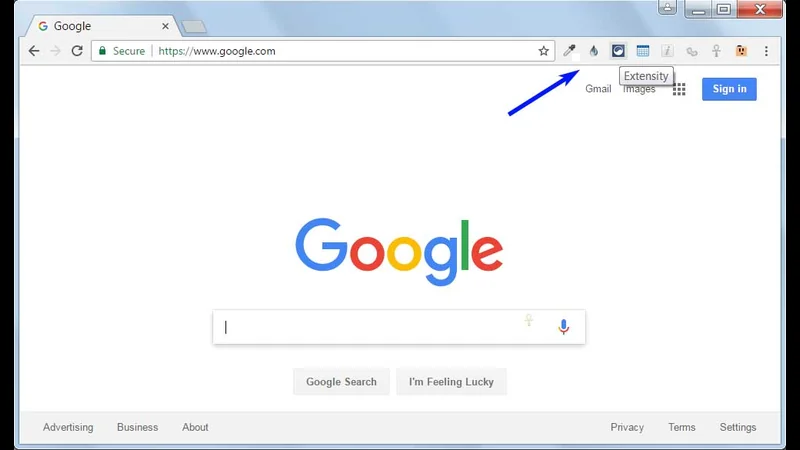
- Generate text
- ideas
- explanations on demand
Monitor websites and automate repetitive web tasks
Instead of switching between tabs and apps, users stayed in one place — the browser became the workspace.
This is why these tools didn’t just grow in downloads; they became habits.
Productivity Took Center Stage
- Another strong signal from 2025’s most loved extensions was the rise of meeting
- learning
- writing assistants.
Extensions such as Fireflies.ai and Bluedot changed how professionals handle meetings. Recording, transcribing, and summarizing conversations automatically removed one of work’s most exhausting tasks: note-taking.
Meanwhile, tools like QuillBot and QuestionAI continued to grow because they addressed a universal problem — turning rough thoughts into clear language. Writing, rewriting, and understanding complex topics became faster and less intimidating.
In short, Chrome extensions began doing what people wish software always did:
save time without demanding attention.
Learning and Everyday Life Inside the Browser
2025 also proved that learning doesn’t need a separate platform.
Extensions like eJOY integrated language learning directly into daily browsing. Instead of opening an app, users learned while reading articles, watching videos, or scrolling through websites.
Shopping habits evolved too. Tools like Phia gained popularity by acting as quiet assistants that compare prices, spot better deals, and reduce decision fatigue.
Chrome became more than a productivity tool — it became a daily life optimizer.
Why 2025 Was a Turning Point
The popularity of these extensions reveals something deeper:
- The most loved Chrome extensions of 2025 succeeded because they:
- Reduced cognitive load
- Worked silently in the background
- Felt natural rather than technical
- Adapted to human workflows instead of forcing new ones
Adapted to human workflows instead of forcing new ones
AI wasn’t the headline — usefulness was.
What This Means for 2026 and Beyond
The browser is no longer just a window to the internet.
It is becoming:
- A decision assistant
- A learning partner
- A productivity engine
- A personal automation layer
- The extensions people loved in 2025 are a preview of what’s coming next:
- software that understands context, intention, and time pressure.
In that sense, Chrome extensions didn’t just evolve last year —
they quietly redefined what a browser is supposed to do.
Latest Articles
Stay updated with the newest tech stories
Trending Now
Most popular articles right now
Most Read
Most viewed articles this week
Editor's Picks
Premium articles selected by our editorial team