Tesla Shuts Down Model S and X Production Lines to Accelerate Optimus Robot Manufacturing

Tesla has taken one of the boldest steps in its corporate history by shutting down Model S and Model X production lines to prioritize the manufacturing of its humanoid robot, Optimus. The decision marks a clear turning point for the company, signaling that Tesla’s future ambitions now extend far beyond electric vehicles.
This move is not merely a production adjustment — it represents a strategic reallocation of resources from legacy automotive products toward artificial intelligence and robotics, areas Tesla increasingly views as its primary growth engines.
The End of Tesla’s Flagship Era
Model S and Model X were once the symbols of Tesla’s technological leadership. They demonstrated that electric vehicles could outperform traditional combustion cars in speed, design, and innovation. However, in recent years, both models have faced declining demand, thinner margins, and growing competition.
By closing these production lines, Tesla is effectively acknowledging a market reality: premium, low-volume vehicles no longer align with the company’s long-term vision. Instead of sustaining aging platforms, Tesla is choosing to repurpose factory space, engineering talent, and capital toward what it believes will define the next decade.
Why Optimus Is Now the Priority
Optimus, Tesla’s humanoid robot, is positioned as a general-purpose AI-powered machine capable of performing repetitive, dangerous, or labor-intensive tasks. Unlike vehicles, which operate in a saturated and highly regulated market, humanoid robots represent an entirely new category with massive scalability potential.
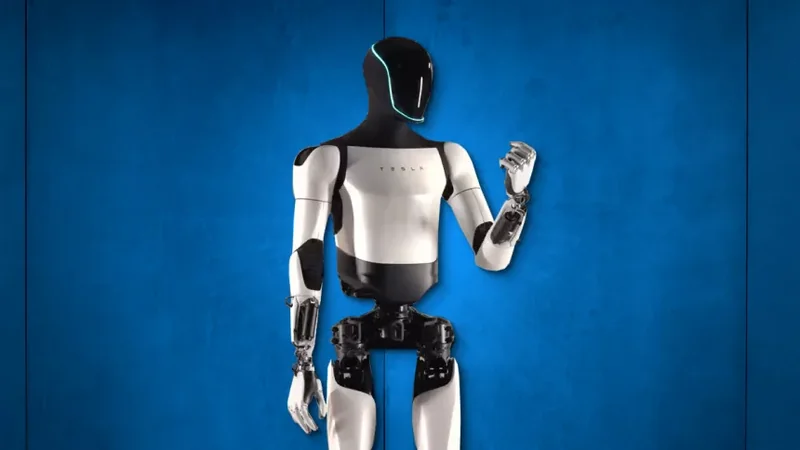
Tesla plans to deploy Optimus initially within its own factories, replacing or assisting human labor in manufacturing and logistics. This internal rollout allows Tesla to refine hardware, software, and autonomy systems before offering Optimus to external customers.
From Tesla’s perspective, every Optimus unit has the potential to generate recurring value — not just as a physical product, but as a continuously improving AI platform.
Manufacturing Shift: Factories Reimagined for Robotics
Shutting down Model S and X lines frees up advanced production infrastructure that can be repurposed for robotics assembly. Tesla’s factories are already optimized for automation, making them well-suited for building humanoid robots at scale.
This transition also reflects a deeper philosophy inside Tesla: manufacturing itself is a product. The same AI systems that power Optimus are increasingly being used to optimize factory workflows, quality control, and logistics — creating a feedback loop between robot development and industrial efficiency.
Financial Implications: Short-Term Pain, Long-Term Leverage
- From a financial standpoint
- the decision may pressure short-term revenue. Model S and X
- while not high-volume sellers
- still contributed to Tesla’s premium segment and brand prestige.
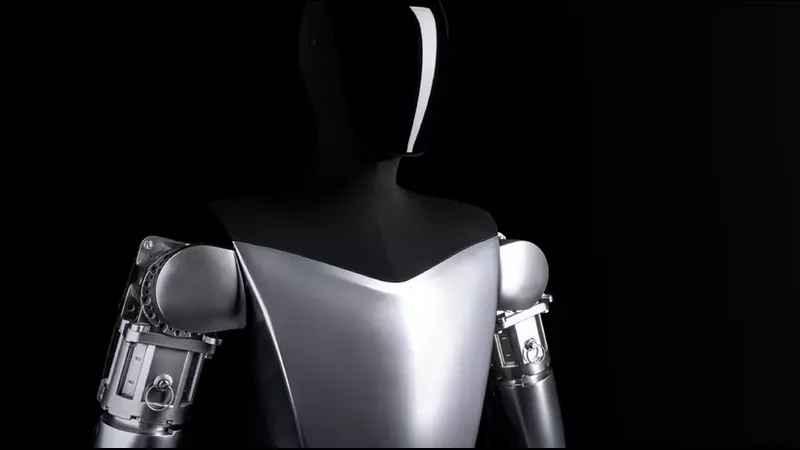
However, Tesla appears willing to accept this trade-off. The company’s leadership views Optimus as a future revenue stream with far greater upside than traditional vehicle sales. While a car is sold once, a humanoid robot can generate value continuously through software upgrades, service contracts, and AI-driven capabilities.
In this context, the closure of Model S and X lines looks less like a retreat and more like a capital redeployment strategy.
Tesla’s Transformation Into an AI-First Company
This move reinforces a broader narrative that has been forming for years: Tesla is evolving into an AI-first technology company. Vehicles, energy storage, and robotics are becoming application layers built on top of a shared AI and autonomy stack.
Optimus sits at the center of this strategy. If successful, it could redefine Tesla’s role in the global tech ecosystem — shifting the company from a mobility disruptor to a foundational player in the AI-driven labor economy.
What This Means for the Industry
Tesla’s decision sends a strong signal to both automakers and technology companies. Traditional automotive success is no longer the ultimate goal; control over AI, autonomy, and scalable intelligence is.
By shutting down iconic vehicle lines to make room for robots, Tesla is effectively betting that the next trillion-dollar market will not be transportation — but intelligent machines.
Latest Articles
Stay updated with the newest tech stories
Trending Now
Most popular articles right now
Most Read
Most viewed articles this week
Editor's Picks
Premium articles selected by our editorial team